One of the most prominent representatives of expressionism in music, Berg expressed in his work the characteristic thoughts, feelings, and images of expressionist artists: dissatisfaction with social life, feelings of powerlessness, and loneliness. The hero of his works is a small man driven to despair by the hostile environment of bourgeois society. The breeding ground for such artistic representations of the world was generously given to the composer by life itself.
Category: February
February 2022: The New Album of The Week
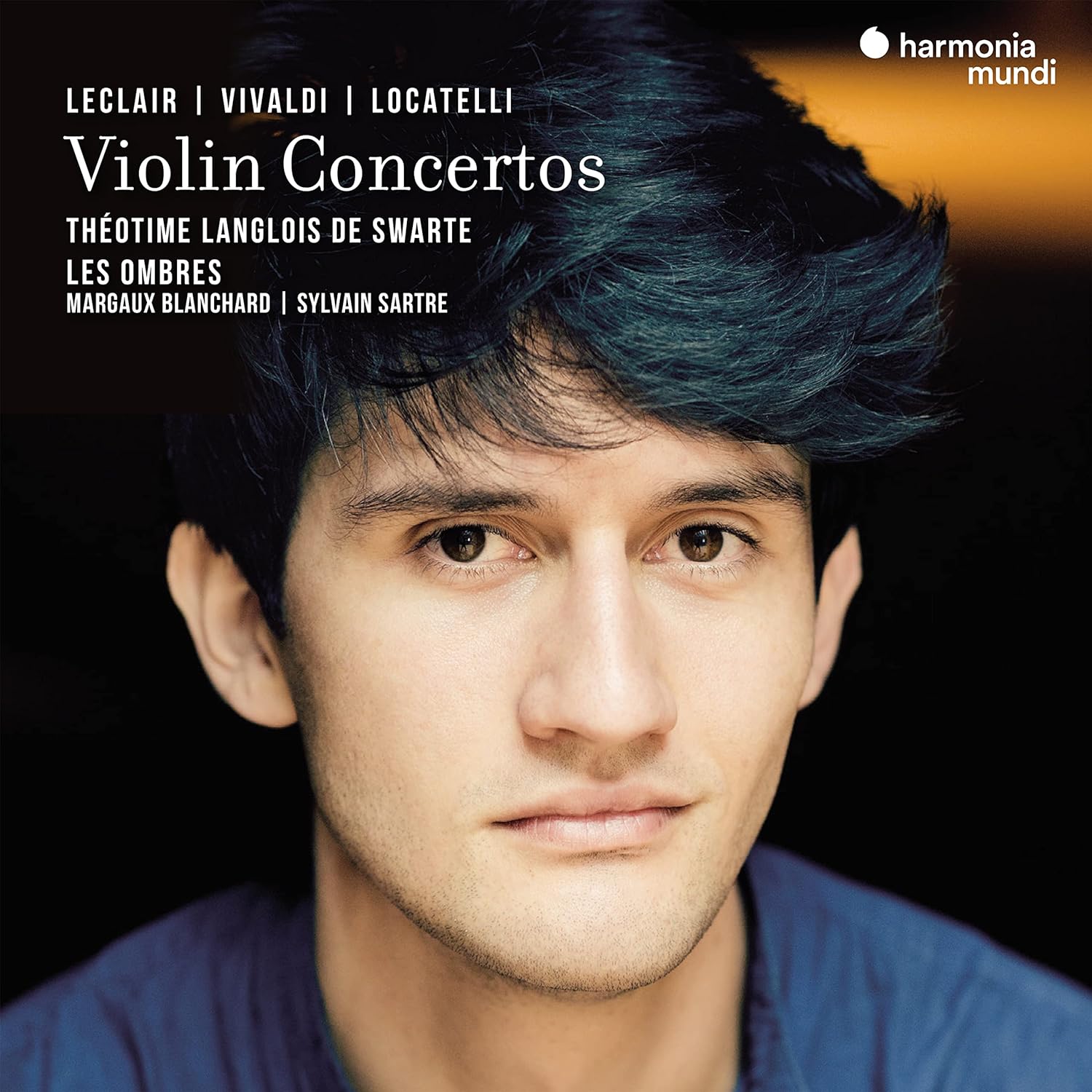
Théotime Langlois de Swarte continues his exploration of the violin repertory of the early eighteenth century. In this programme, he highlights the links between three leading composers for the instrument, whose popularity was burgeoning at the time: Vivaldi, father of the violin concerto, and two of his most brilliant younger contemporaries, Locatelli and Leclair. A disc which, beyond the interplay of echoes and personal connections, showcases the extraordinary versatility of an instrument as virtuosic as it is poetic.
February 2022: The New Album of The Week
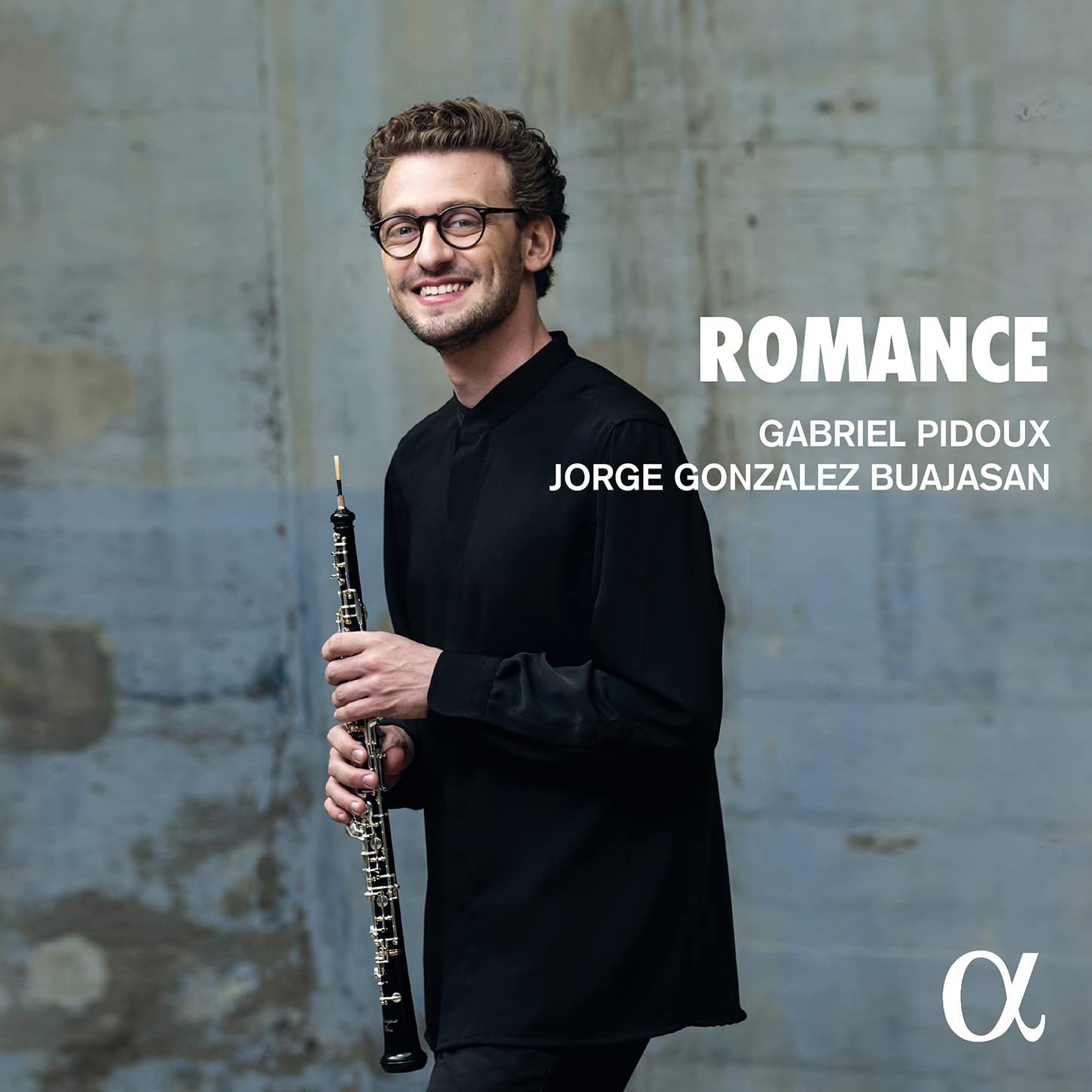
The French oboist Gabriel Pidoux, voted ‘Instrumental Soloist of the Year’ at the Victoires de la Musique Classique in 2020, has made a name for himself in both early and modern repertories. He now records his first solo album, accompanied by the pianist Jorge González Buajasan. It presents the works of two female and three male composers, beginning with Robert Schumann’s Three Romances, a masterpiece of chamber music with oboe, which Gabriel Pidoux has decided to juxtapose with the Three Pieces of Leopold Wallner (1847-1913), magnificent works which have never been recorded. Also on the programme is a transcription of Clara Schumann’s Three Romances. ‘These are pieces from the heart, which set the Romantic tone’, writes Gabriel Pidoux. ‘We follow them with the Poème of Marina Dranishnikova (1929-94), the only known piece by this Russian composer. It is a rather dark, very tormented piece, wholly Romantic although composed somewhat later, in the middle of the twentieth century.’ Finally, a transcription of Elgar’s famous Salut d’amour rounds off the programme.