as soon as I had resigned my post of “teacher” a prestigious international publisher (Edition Universal Wien) came knocking at my door and signed me for all the works that I would write from 1924 to 1930 […]. To be associated with a publisher who was both able and attentive and held the keys of international music meant not to rot and not having to succumb to our [Italian] musical environment. In fact, between 1924 and 1932 I lived intensely in the world of Music without ever concerning myself with these “machinations” that destroy the serenity and corrupt the musician”.
Category: neoclassicism (XX c.)
The Music Firebird of 20th century: Stravinsky conducts Stravinsky
At the age of 28, he became internationally recognized when “The Firebird” debuted in Paris in 1910. Three years later, the unique and scandalous “Spring of the sacred” premiered there. Fame stuck to his name and never left. Rimsky-Korsakov, said Stravinsky, was like a second father to him. Stravinsky copied some of his mentor’s things…
Schnittke’s Universe
For almost thirty years I repeatedly saw one and the same dream: I would arrive in Vienna at long last. I would feel really happy, for I was returning to my serene childhood.
Poulenc: “In the Larghetto of this Concerto I permitted myself, for the first theme, to return to Mozart.”
Francis Poulenc’s Concerto pour deux pianos (Concerto for Two Pianos and Orchestra) in D minor, FP 61, was commissioned by and dedicated to the Princess Edmond de Polignac and composed over the period of three months in the summer of 1932. It is often described as the climax of Poulenc’s early period. The composer wrote…
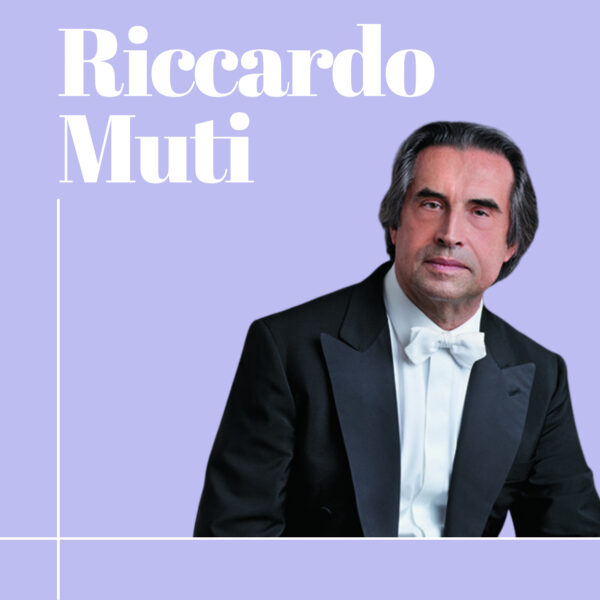
Happy Birthday, Riccardo Muti!
Born in Naples, Riccardo Muti studied piano under Vincenzo Vitale at the Conservatory of San Pietro a Majella, graduating with distinction. He subsequently received a diploma in composition and conducting from the Giuseppe Verdi Conservatory in Milan, where he studied under the guidance of Bruno Bettinelli and Antonino Votto.
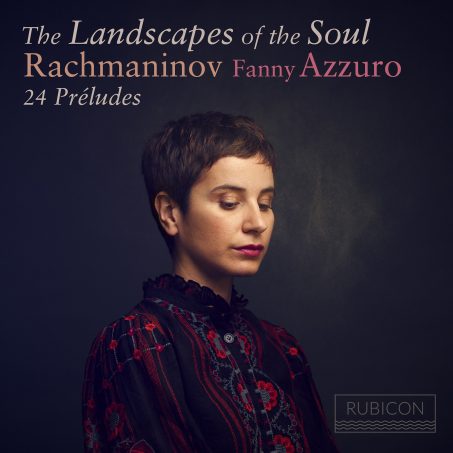
October 2021: The New Album of The Week
“Recording the complete Preludes is like painting notes with an unlimited palette of sound!’ writes pianist Fanny Azzuro in the notes to her debut album for Rubicon. ‘Playing this music is exhilarating. The danger is that you lose control of your emotions and yield to the temptation to pile on the pathos in music that is so naturally expressive…”
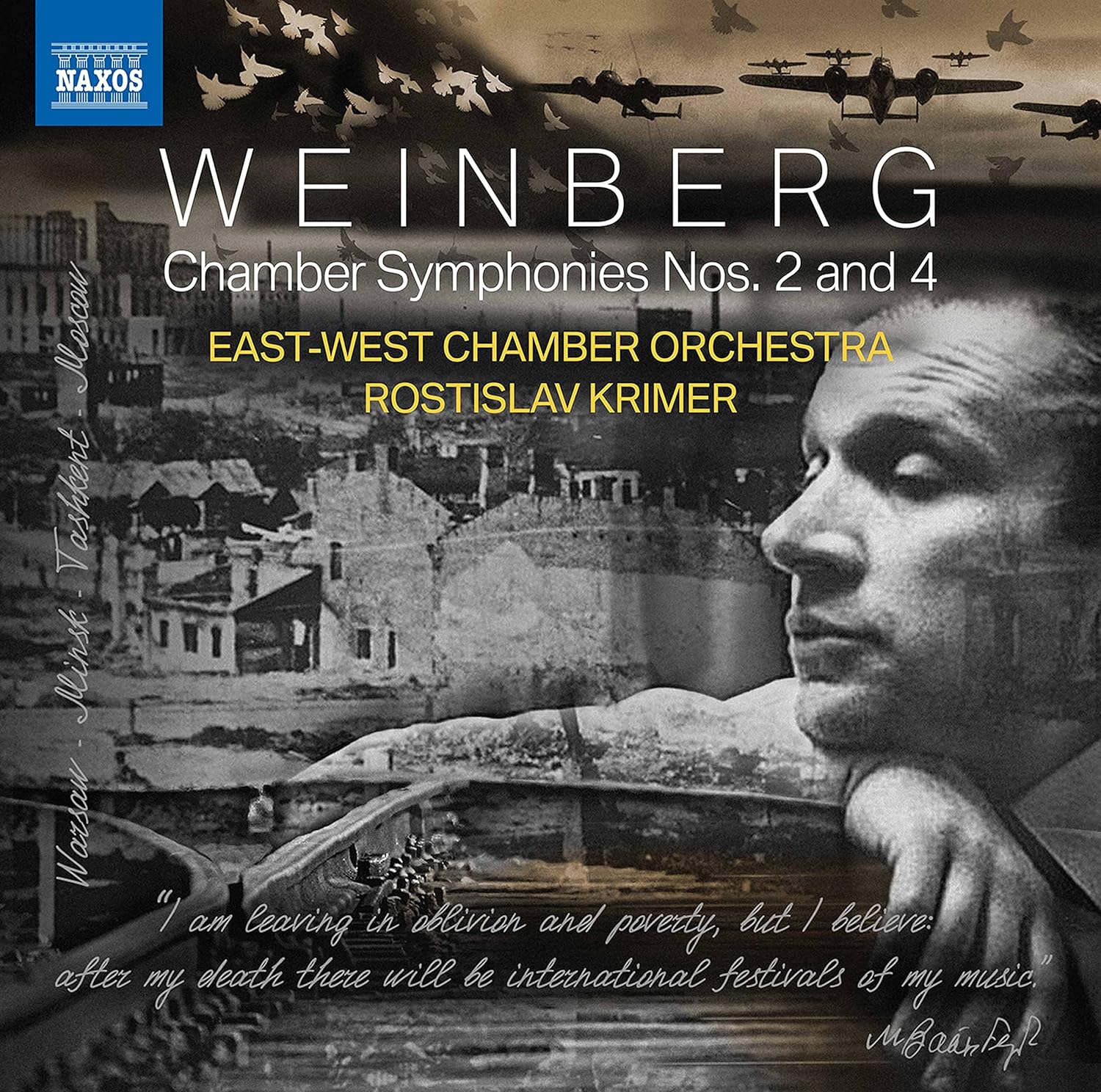
September 2021: The New Album of The Week
Symphonic thinking dominated Mieczysław Weinberg’s final decade, and these chamber symphonies are part of an interrelated sequence that reworks and cites earlier pieces. The Second Chamber Symphony draws on a string quartet from 1944, reflecting the sombre and fatalistic tone of the period. The Fourth Chamber Symphony was Weinberg’s last completed work, and uses a haunting chorale melody that he once referred to as a constant presence throughout his creativity. Weinberg’s First and Third Chamber Symphonies (8.574063) ‘blossom in vividly colourful performances’ (Pizzicato).