Certain historical figures and their facial features have been ingrained in our common memory.One of those recognisable people is Bach, although, unlike the others, he is perceived by the general public as an elderly person. The 1746 Elias Gottlob Haussmann portrait, now in the Altes Rathaus in Leipzig, has been described by more than one commentator as…
Category: baroque (XVI – XVIII cc.)
J. S. Bach – Prelude and Fugue C sharp minor, BWV 849
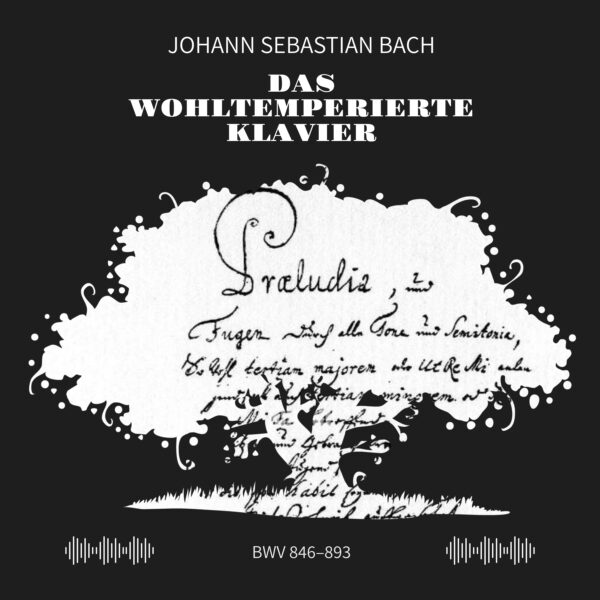
Author Sergey Strelchenko The well-tempered clavier is rightfully considered a kind of encyclopedia of Bach’s images. In the rare variety of chamber forms of The Well-Tempered Clavier, Bach reveals the large and complex inner world of man, his artistic and poetic images, the richest area of human feelings. Bach wrote The Well-Tempered Clavier, wishing to…
“Das Wohltemperierte Klavier” as a pillar of the musical worldview
This amazing collection of preludes and fugues (BWV 846-893), the first volume of which celebrates the 300th anniversary, has become the foundation for formation the musical thinking of many of the greatest musicians. Generations of composers have learned the art of counterpoint by playing and studying the Well-Tempered Clavier, two volumes of which contain preludes and…
How to Listen to Classical Music Fugues
Watching an amazing video review by “Inside the Score” on how to have a rewarding musical experience by listening to a fugue, we thought about the phenomenon of listening. How do our previous experience and knowledge determine our sound perception? As rightly pointed out Kai Tuuri “Formulating a Revised Taxonomy for Modes of Listening”, “listening…
The inner life of Glenn Gould
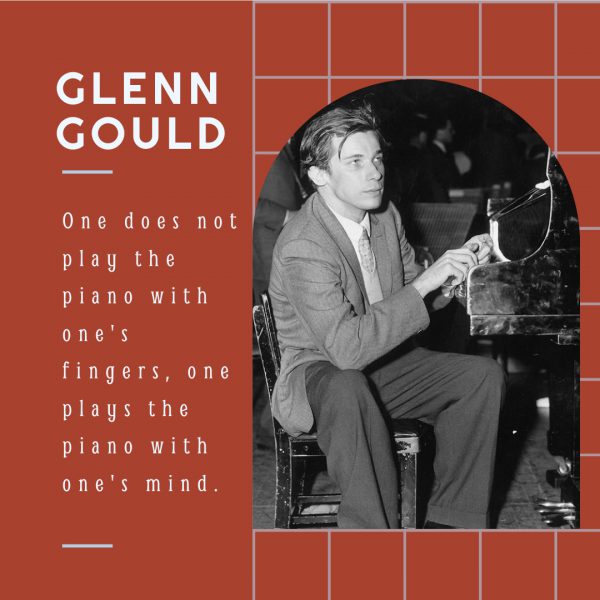
A documentary on the enigmatic and influential Gould by Michèle Hozer and Peter Raymont. This documentary shows us his early and sensational musical journey to the end when he died at the age of fifty. Glenn Gould is definitely a unique fixture in music history and this film does a wonderful job illustrating it.
Bach on the Wall’s Rubble
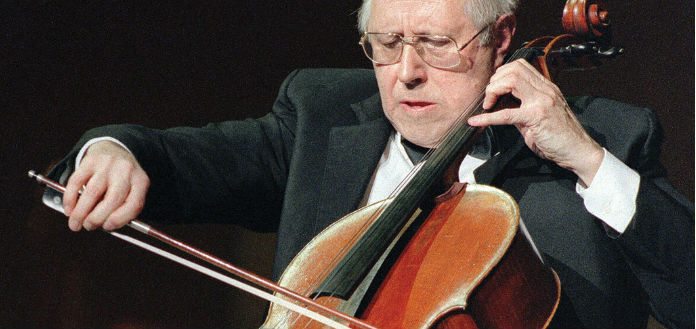
On Antoine Riboud’s private jet, they landed at Tempelhof Airport. Rostropovich played Bach’s Suites while sitting close to the former “Checkpoint Charlie” after managing to find a chair anywhere. Exiled from the Soviet Union in 1974, Mstislav Rostropovich after he sheltered Alexander Solzhenitsyn at his house, watched the fall of the wall on TV in…
Gould’s Goldbergs
The exceptional recordings of J.S.Bach’s composition by the genius Glenn Gould have brought the new breath of baroque music in the modern era. Gould has produced two famous studio recordings by Goldberg Variations. His first was in 1955 when he was only 22. The second was quarter of a century later, in 1981, when it…
April 2022: The New Album of The Week
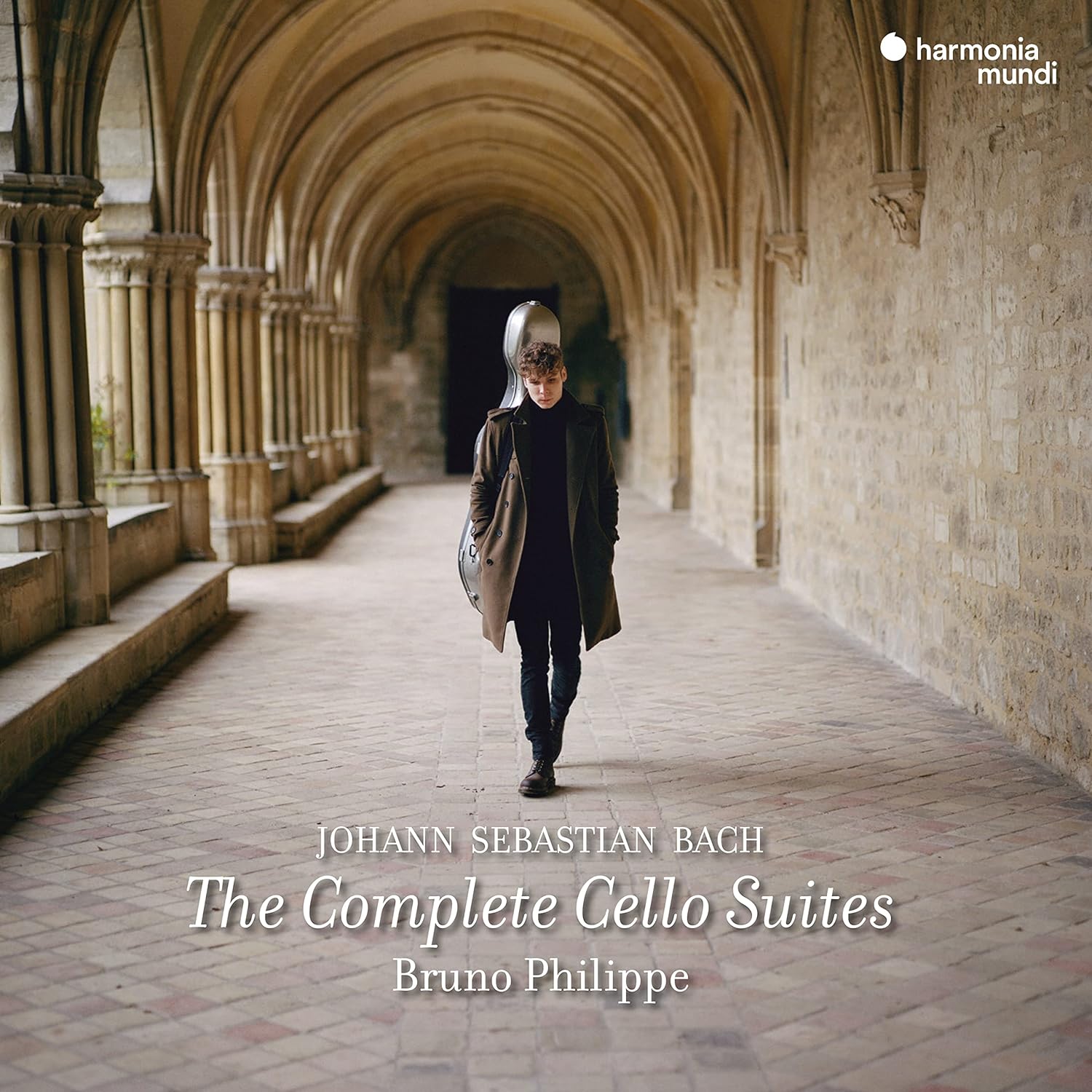
Bruno Philippe conceives Bach’s Suites for solo cello as a veritable existential journey, from life to death and resurrection. Forgoing metal strings for their historical gut equivalents, the young French artist offers us an inward, deeply moving reading of this monument of instrumental music.
February 2022: The New Album of The Week
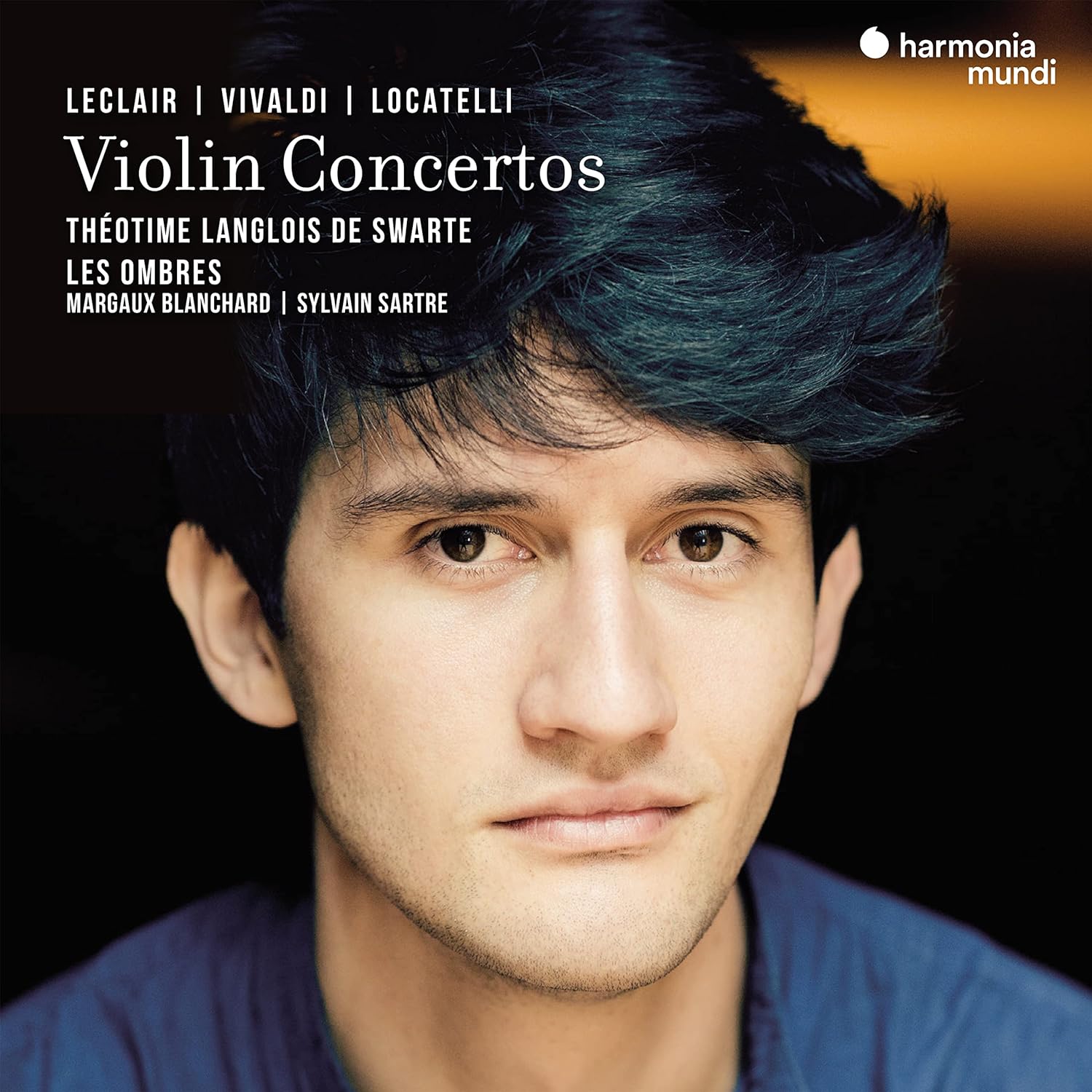
Théotime Langlois de Swarte continues his exploration of the violin repertory of the early eighteenth century. In this programme, he highlights the links between three leading composers for the instrument, whose popularity was burgeoning at the time: Vivaldi, father of the violin concerto, and two of his most brilliant younger contemporaries, Locatelli and Leclair. A disc which, beyond the interplay of echoes and personal connections, showcases the extraordinary versatility of an instrument as virtuosic as it is poetic.
January 2022: The New Album of The Week
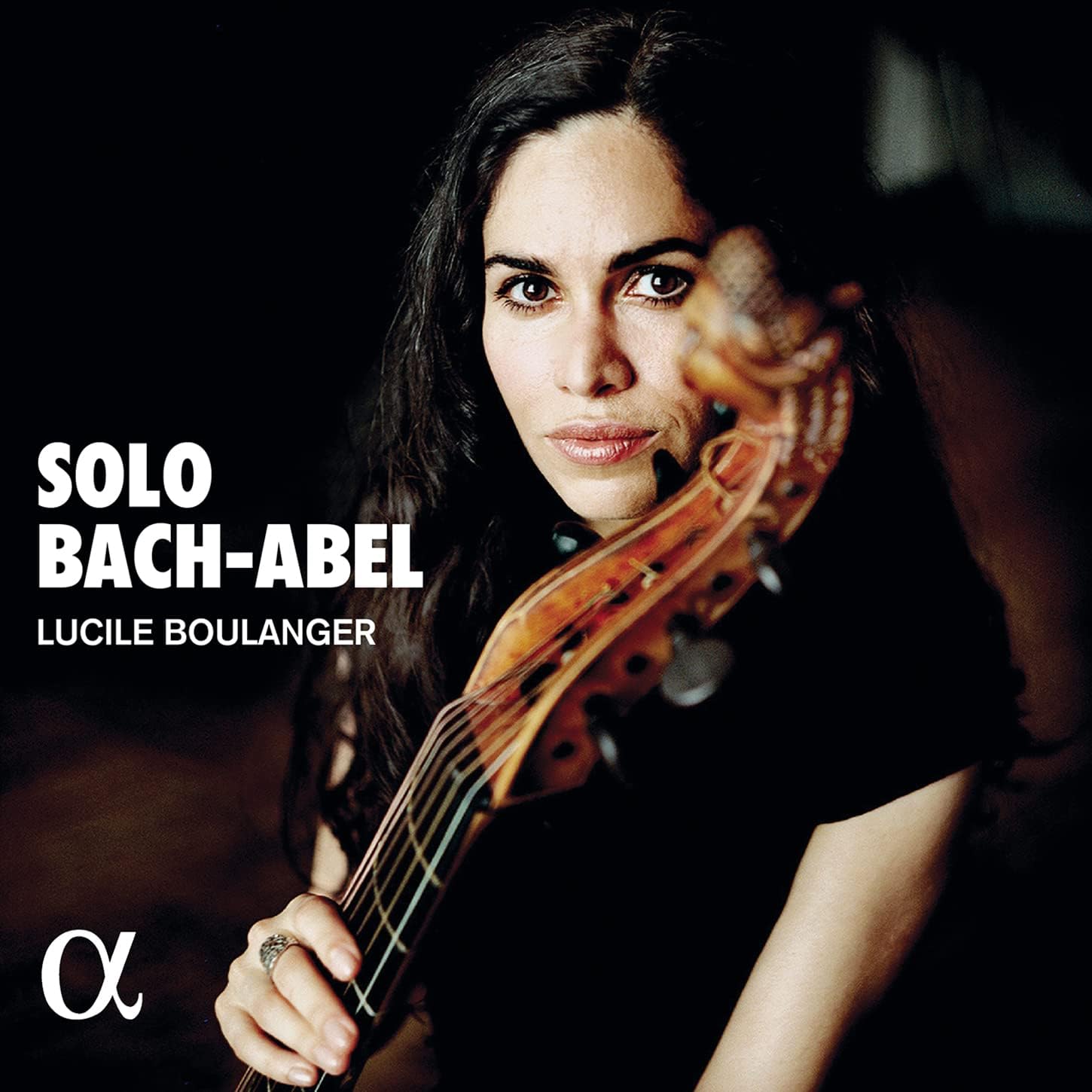
This is Lucile Boulanger’s first solo recital. The French gambist, universally praised for her natural and moving playing – BBC Music Magazine even described her as ‘the Jacqueline du Pré of the viola da gamba’ – juxtaposes Bach with Carl Friedrich Abel, a great master of the bass viol and a close friend of the Bach family. Although Johann Sebastian never wrote for solo viola da gamba, we know that he transcribed many of his works for other instruments. So Lucile Boulanger has chosen, for example, to transcribe three dances from the Sixth Suite, “because it sounds particularly good on the viol, being written for five-stringed cello (a step towards the six or seven strings of the viol?). It is in D, the viol key par excellence, and its style, already somewhat galant, is reminiscent of Abel. . . . This album gives me the opportunity to showcase the viol as both a melodic instrument – with the grain of the bow, the fragility of tone – and a polyphonic one.”